
Events
Calendar of Events
|
Monday
|
Tuesday
|
Wednesday
|
Thursday
|
Friday
|
Saturday
|
Sunday
|
|---|---|---|---|---|---|---|
|
0 events,
|
0 events,
|
0 events,
|
0 events,
|
0 events,
|
0 events,
|
0 events,
|
|
0 events,
|
0 events,
|
1 event,
-
The 18th century is often seen as the beginning of industrialisation in Britain, but there had already been significant changes in the methods and scale of production in many industries in the preceding centuries. While some 18th-century developments were indeed revolutionary, others built on previous innovations – which themselves had both technical and economic drivers. In the latter part of the first millennium most craftsmen worked in small groups or on their own, and the things they made were mostly ‘one-offs’. There were some changes to the scale of production over the following centuries but major technical changes only become important at the very end of the medieval period. This talk will explore and illustrate some of changes that took place across a range of industries – mainly metals, glass and ceramics – and will discuss the benefits they brought. |
0 events,
|
0 events,
|
0 events,
|
0 events,
|
|
0 events,
|
1 event,
-
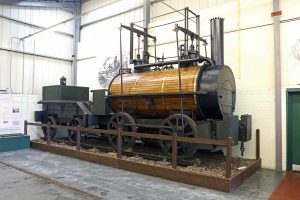
'Learning Through Archaeology: Killingworth Billy' discusses all that has been learned from the detailed examination in 2018 of the 1816-built George Stephenson locomotive from Killingworth that may now be seen in the Stephenson Railway Museum on North Tyneside, one of the affiliated museums to Discovery. BILLY has been in safekeeping as a historic artefact with the City of Newcastle since 1881. Previous to our study it was believed that the locomotive had been built in 1826 at the Robert Stephenson & Co. factory in that city, but detailed research into its working life, and its several rebuildings, have now shown that it was actually made in 1816 under George Stephenson's supervision for operation along the Killingworth Colliery line down to the River Tyne. It has therefore been shown that it is the world's oldest surviving standard-gauge locomotive. The archaeological work was undertaken to reveal from which period each component of the locomotive and its equally historic tender had been fitted, and the sequence of these modifications. The talk will be illustrated with both historic views of the locomotive, and photographs and drawings prepared during the course of the project. |
0 events,
|
0 events,
|
0 events,
|
0 events,
|
|
1 event,
-
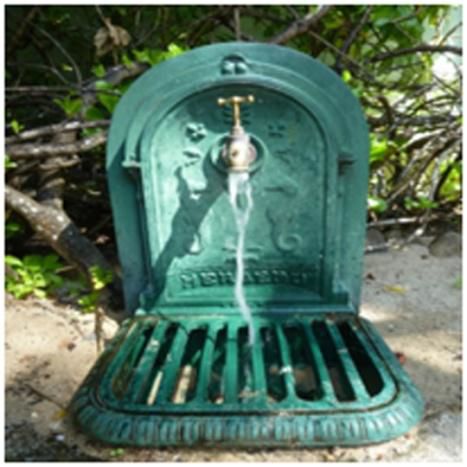
Dr Jenny Stephenson The History of Water- the Sheffield Reflection [...] |
1 event,
-
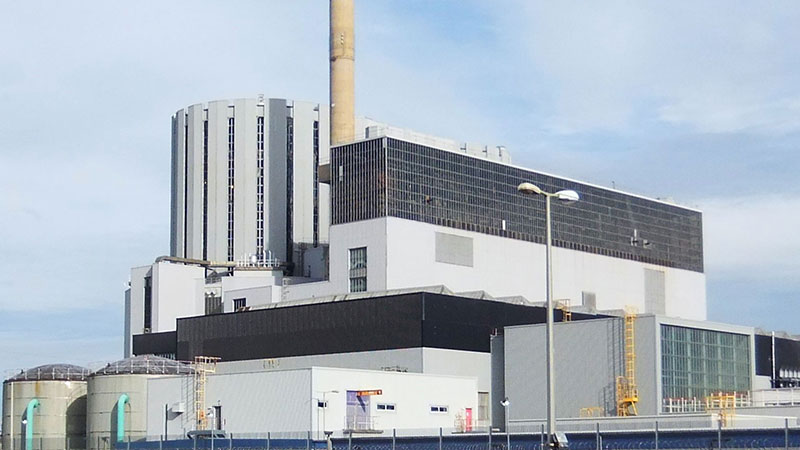
An Online Lecture by Tony Wooldridge (presenting) and Stephen Druce [...] |
0 events,
|
0 events,
|
0 events,
|
0 events,
|
0 events,
|
|
0 events,
|
0 events,
|
1 event,
-
John Freeman CBE Claymills - the building of an integrated [...] |
0 events,
|
0 events,
|
0 events,
|
0 events,
|