
Events
Calendar of Events
|
Monday
|
Tuesday
|
Wednesday
|
Thursday
|
Friday
|
Saturday
|
Sunday
|
|---|---|---|---|---|---|---|
|
0 events,
|
0 events,
|
0 events,
|
0 events,
|
0 events,
|
0 events,
|
0 events,
|
|
0 events,
|
0 events,
|
0 events,
|
0 events,
|
0 events,
|
0 events,
|
0 events,
|
|
0 events,
|
0 events,
|
0 events,
|
0 events,
|
0 events,
|
0 events,
|
|
|
0 events,
|
2 events,
-
This highly informative talk from someone on the inside looks at the evolution of the car assembly plant and the resistance welding techniques used to build the body shell. Bob describes from personal experience the difficulties encountered as welding techniques evolved from the early 'solid-state’ sequential controllers, and then to the first generation of robotics, P.L.C.’s, electronic power & motor control systems etc.
-
Repeated statements that the development of the jet engine was held up by the shortcomings of high temperature alloys for turbine blades are without foundation. Frank Whittle, given the funding, could have had a jet engine prototype running by 1932-33. And the RAF could have been equipped with jet fighters by 1939. It was unfortunate that Griffith (of Griffith Crack Fame) was so opposed to the jet engine principle, probably because he saw this as a rival to his own weird turboprop ideas. Accordingly, funding was withheld, the Germans taking the lead. Coming to more recent times, the shortcomings of materials helped wreck the prospects for Concorde and the proposed American Supersonic Transport. It is a feature of supersonic flight that better range and payload are obtained by flying as fast as possible. Concorde was designed for Mach 2.2, but couldn't fly continuously at that speed. The American SST was intended for Mach 2.7. Flying fast does mean, however, aerodynamic heating, requiring “heat resistant” airframe alloys. Recent projected “business jet” supersonic transports dodge the materials issue by flying at around Mach 1.7. They are aerodynamically inefficient, but better engine performance and the ability of millionaire passengers to pay top value fares, might make such aircraft a viable proposition. |
0 events,
|
0 events,
|
0 events,
|
0 events,
|
|
1 event,
-
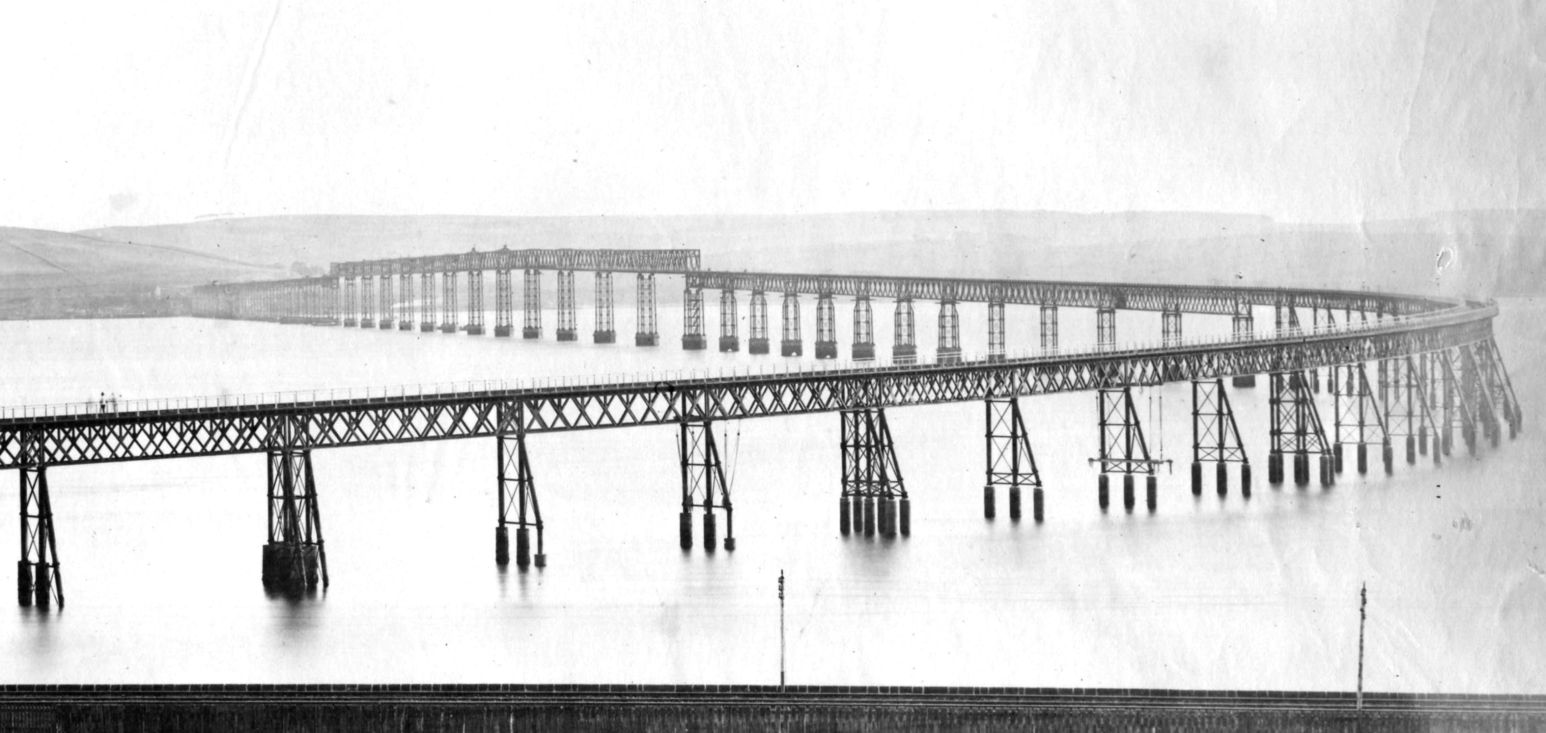
Thomas Bouch is generally remembered for the failure of the Tay Railway Bridge, an event that rocked the Victorian establishment. But the construction of what was then the longest bridge in the world was not entrusted to an insignificant engineer, far from it. Bill Jagger is Newcomen Member and a semi-retired Chartered Accountant who is currently working in the engineering industry. He has a lifelong interest in transport in general and railways in particular. In exploring the Pennine railway lines he came across Thomas Bouch's name and became interested to find out more about him. A conversation at a meeting of the engineers’ society of which he is a member-led to a challenge to give a talk: "you seem to know a lot about him and we are looking for speakers! Kelham Island Museum has advised that although no social distancing restrictions will be in place for the meeting, we will need to keep a detailed register of attendees. A group of members and guests will be meeting for a pre-talk meal and if you wish to join us please let me know so that I can advise them of the probable numbers. |
2 events,We regret that this symposium has been cancelled due to insufficient advance interest.
-
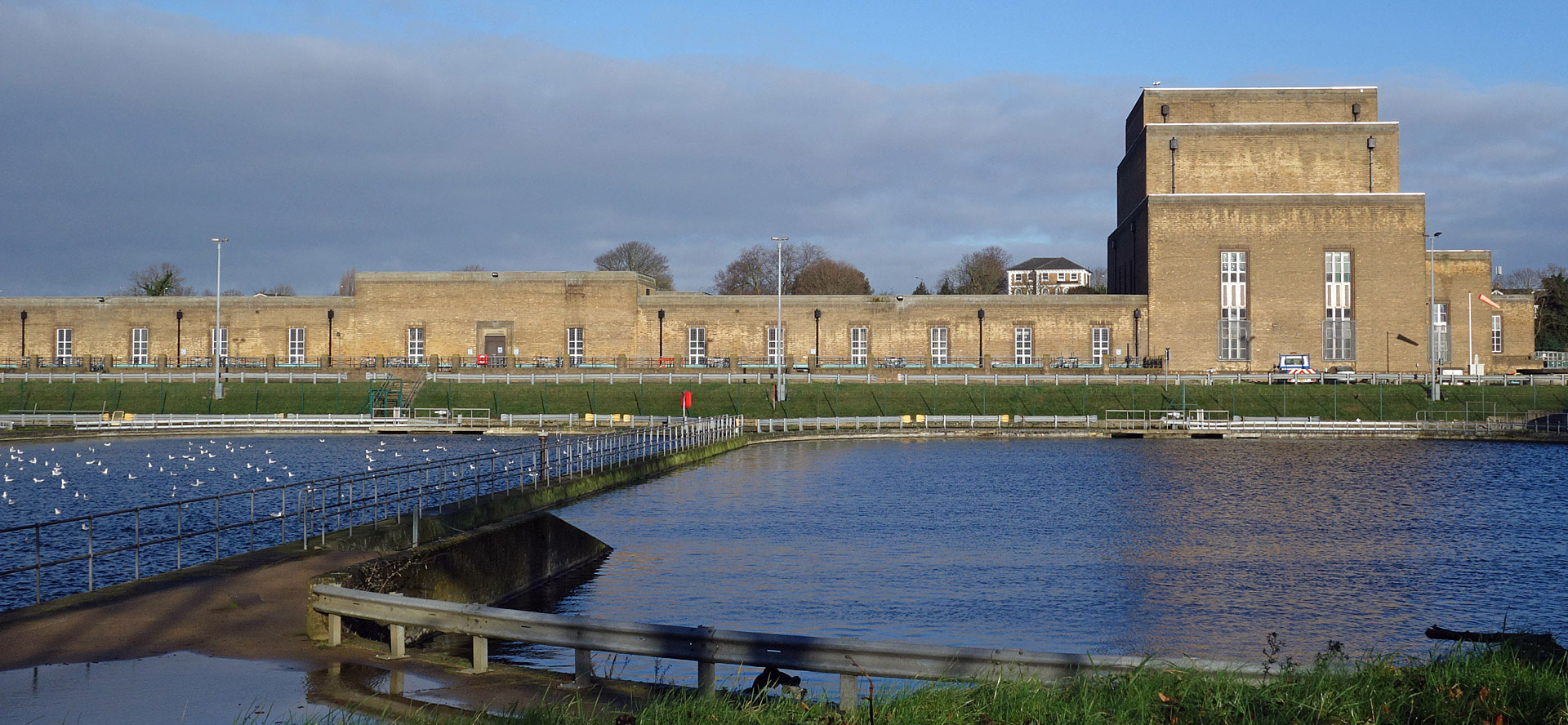
Watering the Capital or Watering Capital? How false accounting and a corrupt chief engineer nearly brought down two of London's Victorian water companies? |
0 events,
|
0 events,
|
0 events,
|
0 events,
|
0 events,
|