

‘Building the Shadow Factories’ by Jonathan Aylen
February 23 @ 6:30 pm - 8:00 pm
Joining us IN PERSON – just turn up, there’s no need to register
Joining us ON-LINE – click this zoom link (Passcode 888336)
Britain’s military effort during World War 2 required a massive investment in manufacturing. Government-funded “Shadow factories” and “Agency Factories” were a key part of this huge capacity expansion. The Government spent at least a quarter of a billion pounds at the time on new buildings, new machinery and training, often in locations far away from conventional manufacturing centres, on factories run by 175 private firms. These factories brought new technology and new production processes, thereby accelerating the pace of wartime innovation.
Yet these new factories are themselves in the shadows. Shadow factories are typically equated with new sites for building aircraft, such as Yeadon in Yorkshire. But shadow factory schemes spread much more widely across industry, covering hidden sectors such as chemical warfare, oil refining and ordnance manufacture, as well as more obvious sectors such as aircraft components and aeroengines.
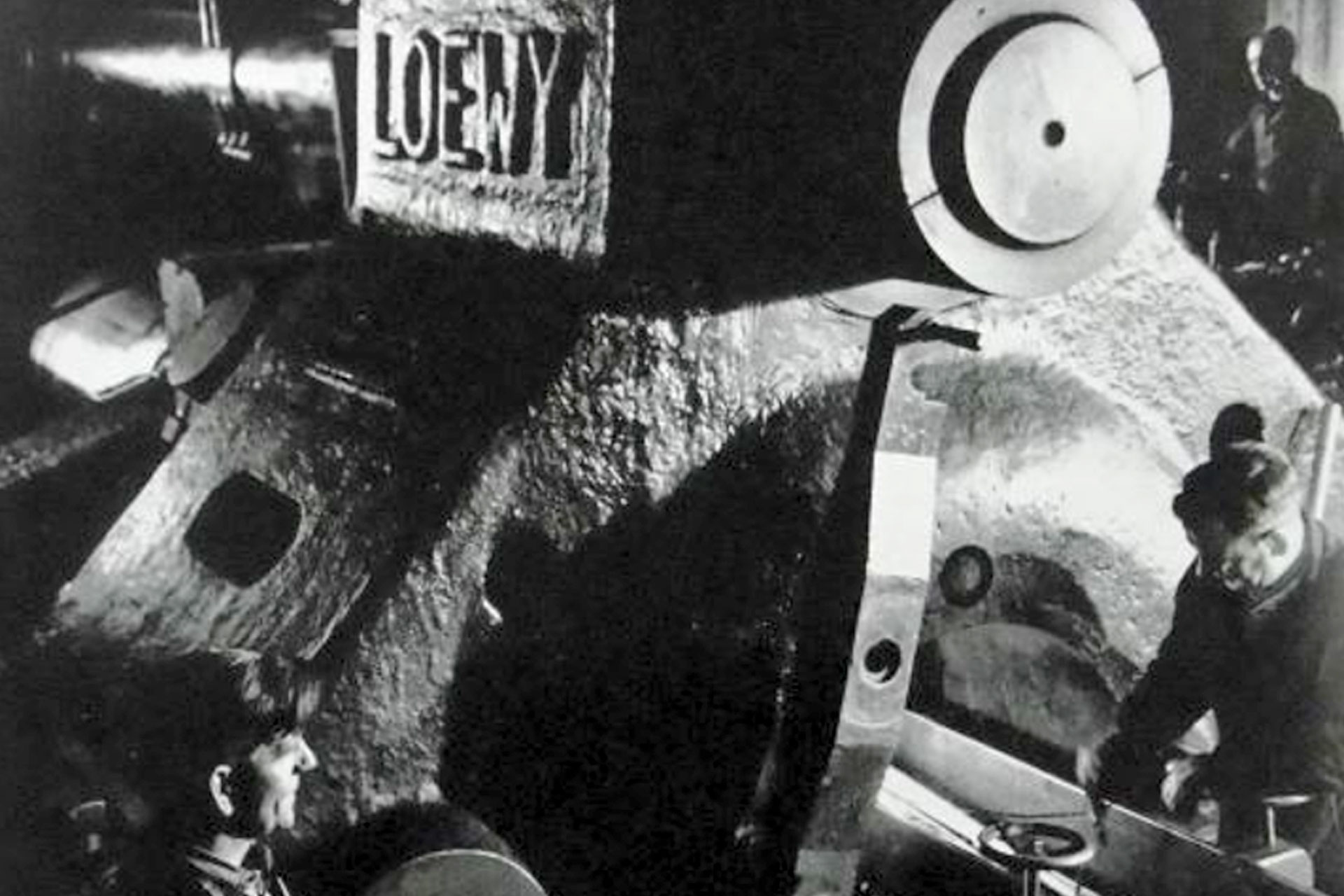
There is very little research on the selection, design, procurement and operation of these factories. Here we look at the broad shadow factory scheme, using archive sources, and then examine a factory for forging aircraft parts built in 1940 on a remote greenfield site at Distington, Cumberland, employing 3,000 workers. This was developed by a private firm, High Duty Alloys, on behalf of the Government.
About the Speaker
Jonathan Aylen is an academic researcher who now specialises in the history of technology. He has written on the development of computer guidance systems for Cold War missiles, the development of the first British atomic bomb and on computer control in the steel industry. His approach is to integrate oral history with unorthodox archive sources. Jonathan’s first exposure to computing was writing FORTRAN programmes for an ICL mainframe to support his research in economics.
Jonathan is a recent past President of the Newcomen society for the History of Engineering and Technology and his research output across a range of disciplines can be found here.