

‘The Anatomy of an Iron Works. A detailed exploration of the Park Gate Iron Works between 1847 & 1859’ by David Boursnell
April 27 @ 6:30 pm - 8:00 pm
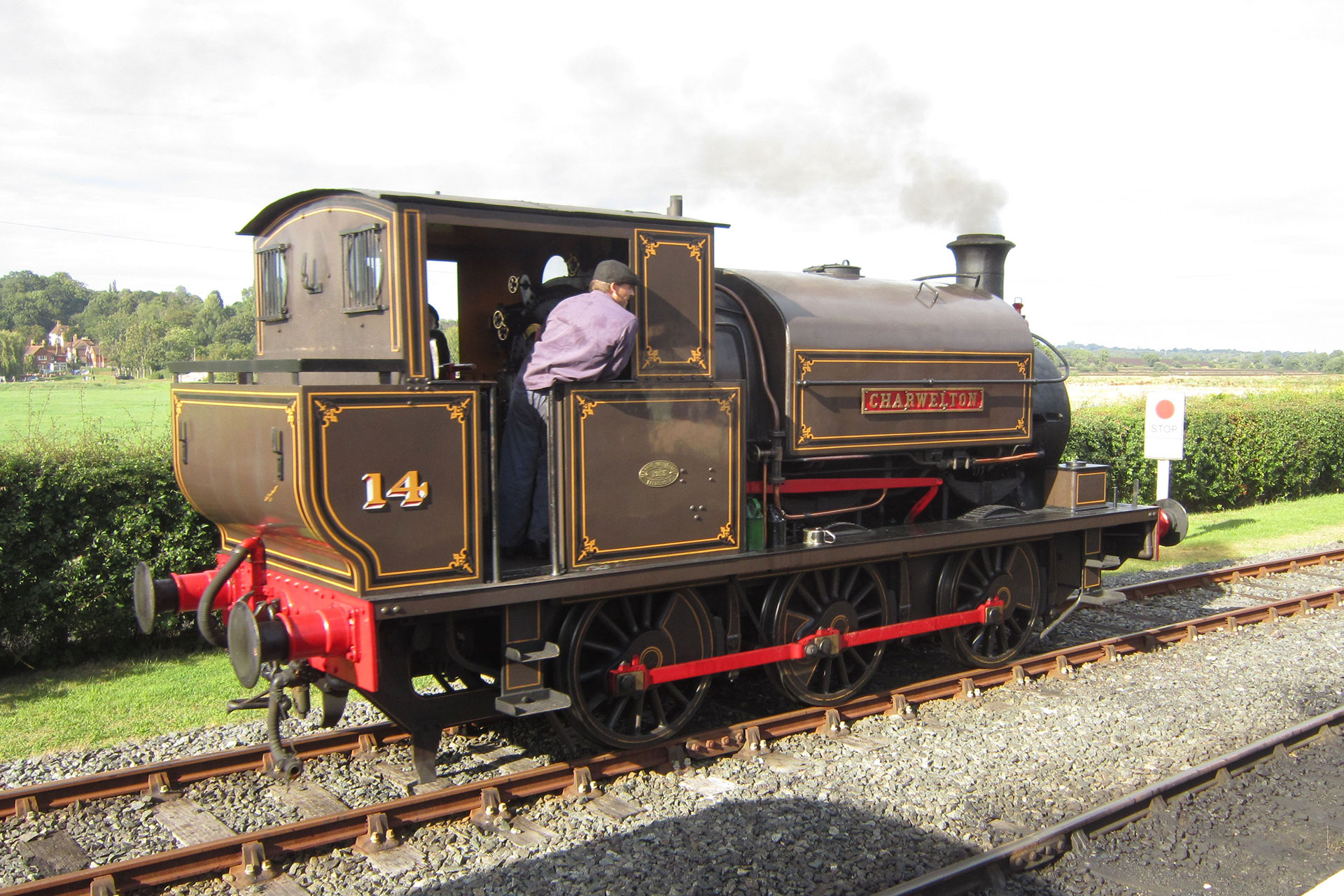
Photo Credit: Matt Buck | Creative Commons
Joining us IN PERSON – just turn up, there’s no need to register
Joining us ON-LINE – click this zoom link (Passcode 221294)
The Park Gate Iron Works in Rotherham started in 1823 as a tin plate works. In 1833, a group of Birmingham businessmen took over and renamed it the Birmingham Tin Plate Company. In 1838, the company recruited new investors to expand the business and built a blast furnace to produce their own iron.
In 1844, Charles Geach and Samuel Beale bought the business, and the company was renamed Samuel Beale and Co. In order to manage the business from their head office in Birmingham, they collected detailed monthly information about the production process, including the amount and cost of the raw materials as well as all the operational costs. The figures were recorded in four small pocket books covering the years 1847 to 1859 and transferred to the head office.
At the peak, the notebooks record the figures from xx coal mines, xx ironstone mines, 5 blast furnaces on 4 sites, puddling furnaces, three rolling mills and various forges. These figures enable us to draw a detailed picture of the process of making iron at Park Gate.
Rails remained the company’s biggest product, but the company diversified into ship plates and supplied all the plates for Brunel’s SS Great Eastern, including the largest plates ever rolled at that time. Based on this experience, they made rolled armour plates for the Crimean War and were the first company to overcome the technical difficulties of this process.
About the Speaker
David Boursnell is a published author & researcher of Naval Armour – both manufacturers & manufacturing, and a consultant to Kelham Island Industrial Museum, Sheffield